
What Does Hypoallergenic Mean For Your Pets?
We’re sure you’ve seen the word “Hypoallergenic” being used alot in the pet industry but do you really know what it means? It simply means that just like humans, dogs can be allergic or intolerant to a variety of foods, grasses, dust, fleas – the list goes on! They can cause sickness, skin rashes and itching, ear infections, swelling, stomach pain, wind and diarrhoea. So if your dog suffers from any allergies or intolerances, hypoallergenic food can be a great choice to reduce the risk!
Food Allergens
Molecules in food that can become allergens are intact proteins or glycoproteins (a form of protein that contains sugar residue that assists with important processes in the body such as helping the immune, digestive, and reproductive systems).

Some common meat proteins that have been known to cause allergic reactions in dogs are:
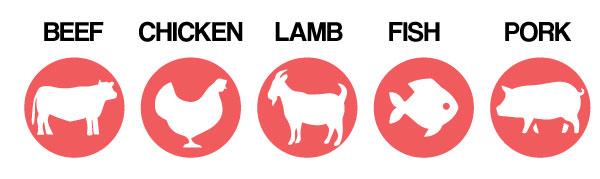
Other common dog food allergens that are not meat-based include:
- Dairy
- Corn
- Wheat
- Soy
- Yeast
If you suspect your dog might be suffering from food allergies, try putting them on a:
Limited Ingredient Diet
Limited ingredient diets contain fewer components… which can make it easier to pin down the specific ingredient (also known as an allergen) to which your pet may be allergic. Limited ingredient dog foods are sold over-the-counter… without a visit to the vet.
Hypoallergenic Dog Food
Although hypoallergenic dog foods are typically prescribed by veterinarians, they can also be ordered online directly by pet owners. Many are made using proteins that have been chemically “split” (hydrolyzed) into their basic amino acid building blocks… which can make the original allergen virtually “invisible” to your pet’s immune system. So… your dog is less likely to experience an allergic reaction to the food.
A few of our popular hypoallergenic food you can try out for your dogs:
- Taste of the WIld Pacific Stream for Puppy and Dog
- Wellness Simple Limited Ingredient Range
- Pro Plan Sensitive Skin & Stomach with OptiRestore
- Earthmade
Can hypoallergenic dogs eat chicken?
In order to identify what is the best dog food for dogs with food allergies you must first understand what are food allergies and what causes them. You can start by going on an elimation trial to determine if chicken is the main cause of their allergy. For example, if your dog’s dry food consists of chicken as the primary protein. You may naturally assume that the chicken in the food is what is causing your dog’s allergies. A closer inspection of the label reveals that the food also includes small amounts of beef and pork. Even though chicken is the primary ingredient, you still must eliminate beef and pork from the test diet. Any ingredient that has been used in your dog’s diet could be guilty of causing the allergy, not just the primary protein.
Shampoos and Conditioners

Another factor that can trigger an allergic reaction are harsh chemicals found in your pets’ shampoos and conditioners!
When you have a pup with sensitive skin, it’s absolutely important to choose the best hypoallergenic dog shampoos and conditioners possible. The last thing you need is something loaded with chemicals and harsh detergents that strip their natural oils. On the other hand, though, you definitely want something that actually cleans your dog!
Here are some good ingredients you can lookout for when choosing one:
- Skin-soothers– Coconut oil, shea butter, almond oil or other gentle emollients.
- Gentle cleansers, like castille soap or vegetable glycerin.
- Oatmeal, to help soothe rashes and irritations*
- Aloe (it’s soothing for dry skin)
- Vitamin E
And here are some bad ingredients that are a big nono!
- Artificial colors– Artificial colors exist solely for your psychological benefit (humans like pretty colors). They do nothing good for your dog, but they can cause dry skin and other issues.
- Perfumes- Your goal here is to get your dog’s skin and fur clean, not make him smell like a candy apple. Perfumes are super drying. Skip them.
- Artificial preservatives- Again, they’re too drying and they can actually cause more harm than good.
- Sulfates– These make the shampoo lather, but they can be super drying.
- Alcohol– It’s too drying for sensitive skin.
- Medicated ingredients– Anti-fungals, antibacterials, and pretty much all “medicated” ingredients are best left up to your vet to prescribe.
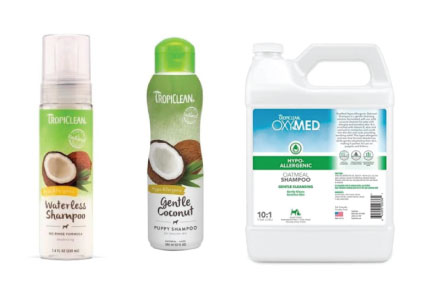
These are some hypoallergenic shampoos and conditioners we highly recommend to try:
- TropiClean Gentle Coconut (Hypoallergenic) Shampoo For Dogs
- TropiClean Oxymed Anti-Itch Medicated Oatmeal Shampoo For Dogs & Cats
- TropiClean Waterless Hypoallergenic Shampoo For Dogs
Depending on what types of allergies or skin conditions your pooch suffers from, some shampoos may work better than others. Whether your dog has dry or oily skin, or has irritated skin that he won’t stop scratching, there is a sensitive dog shampoo that is right for you! It’s also always a good idea to test out a new product on a small patch of skin, as some dogs may be allergic to certain ingredients!
How often should you bathe a dog with itchy skin?
Bathing once a week will help relieve pain and itching, and increase healing and recovery from any infections. Once the infection has been treated, either with antibiotics or in many cases with a cream, you should be able to reduce bathing to every two weeks.
Symptoms of Allergies

Dogs express allergies a bit differently than us. It may seem natural for us humans that an environmental/inhalant allergy results in sneezing, while a food allergy results in vomiting or a swollen throat. However, most dogs exhibit nearly all their symptoms through itchy, irritated skin, and possibly chronic ear infections.
Some of the most common symptoms of food allergies in dogs include:
- Itching, especially centered around the ears or feet
- Constant paw-licking or paw-biting behavior
- Hair loss
- Chronic skin conditions
- Chronic ear infections
Other, less common symptoms that may also signify a food allergy include:
- Poor growth in young dogs
- Wheezing
- Coughing
- Sneezing
- Excessive gas
- Vomiting
- Diarrhea
However, if your dog is suffering from severe and chronic skin issues, we definitely recommend you to bring them to the vet to get it checked out.
Tags: Dog Foods, Food Allergies, Shampoo